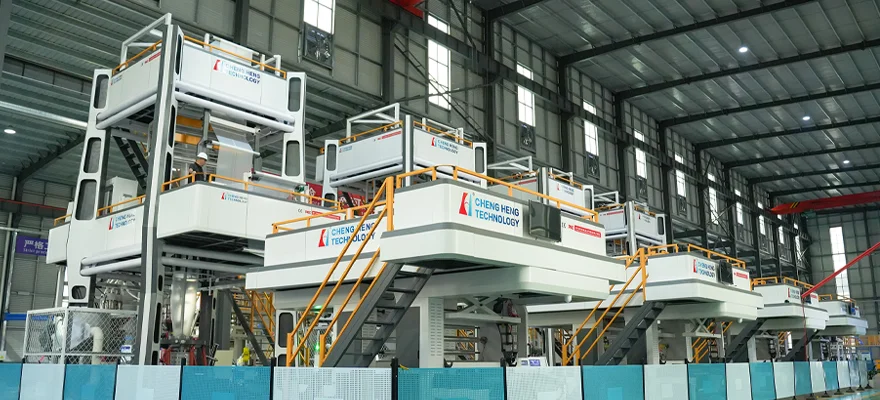
The global packaging industry has undergone a massive transformation, with the blown machine standing at the center of this evolution. As the demand for flexible packaging—ranging from food-grade wraps to industrial liners—continues to surge, the precision and efficiency of film extrusion have become critical for manufacturers striving to maintain a competitive edge in a saturated market.
Understanding the technical nuances of a modern blown machine is no longer just for engineers; it is a strategic necessity for business owners. From reducing material waste to enhancing the barrier properties of multi-layer films, the right equipment directly impacts the bottom line by optimizing operational costs and increasing product durability.
Whether you are looking into a Single Layer Blown Film Line for basic applications or a sophisticated Three Layer ABC Blown Film Machine for high-barrier packaging, the core objective remains the same: achieving a perfect balance between throughput, film quality, and energy efficiency to meet rigorous international standards.
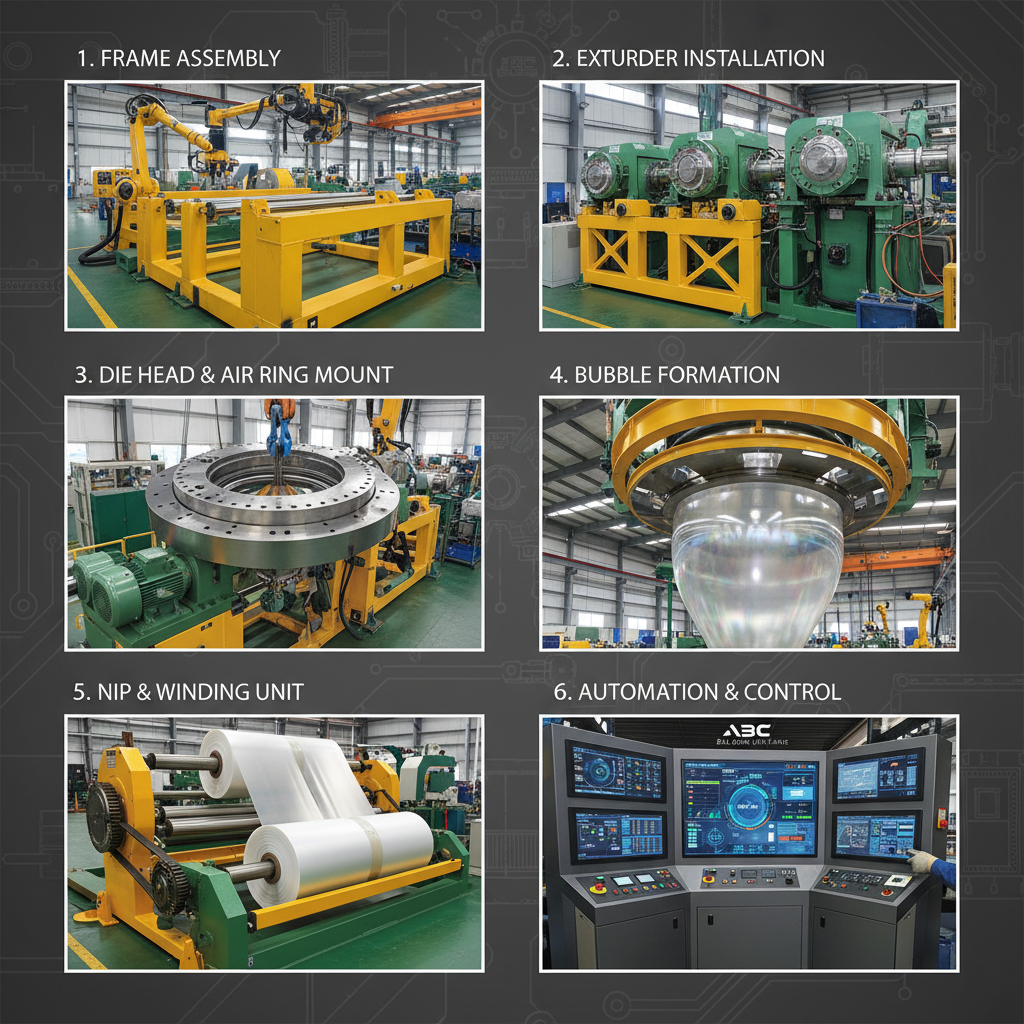
In the current global economy, the blown machine serves as the backbone for the flexible plastics industry. According to ISO quality standards and global trade data, the shift toward lightweight, high-strength packaging has driven a 4.5% annual growth in the adoption of multi-layer extrusion technology. This is largely due to the need for materials that can withstand extreme temperatures and provide superior moisture barriers for global food exports.
However, the industry faces a significant challenge: the tension between high-volume production and the global mandate for sustainability. Manufacturers are now tasked with integrating biodegradable polymers and recycled resins into their blown machine workflows without sacrificing the mechanical integrity of the resulting film.
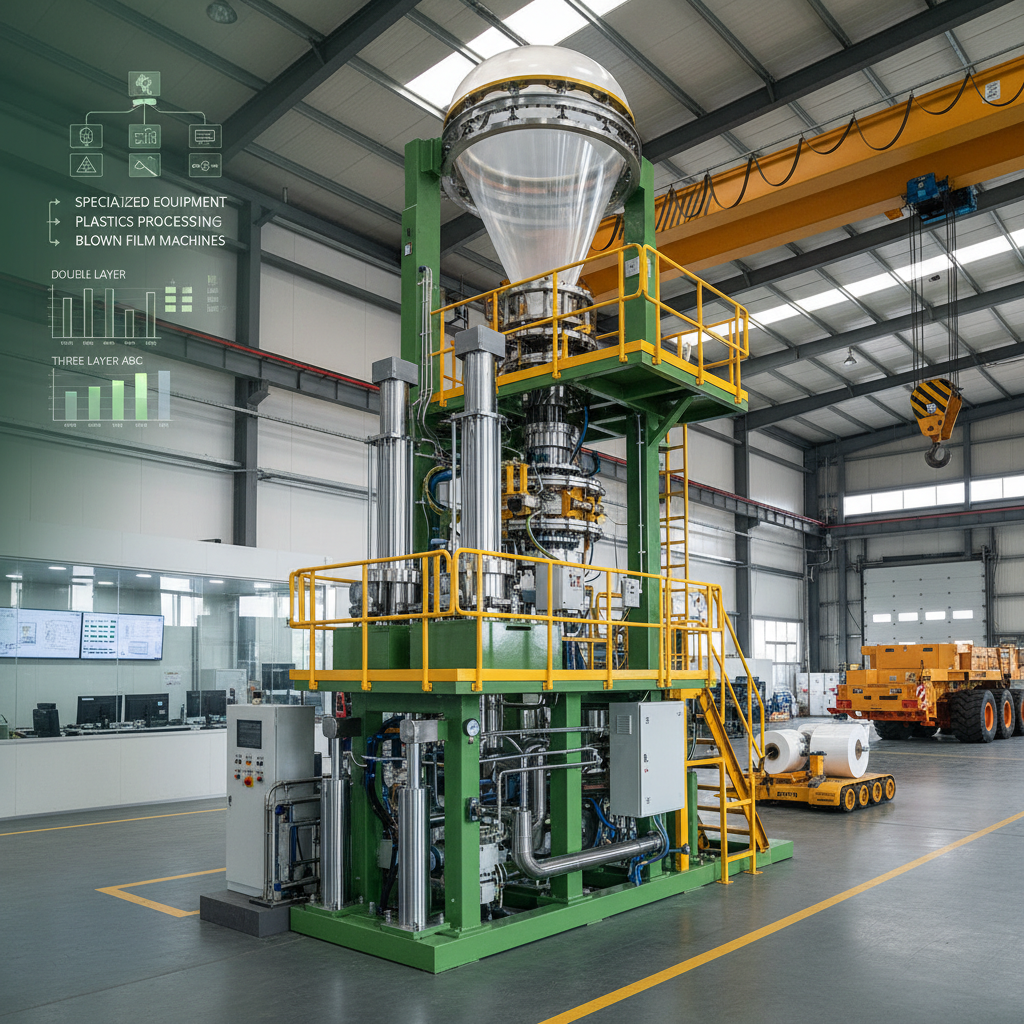
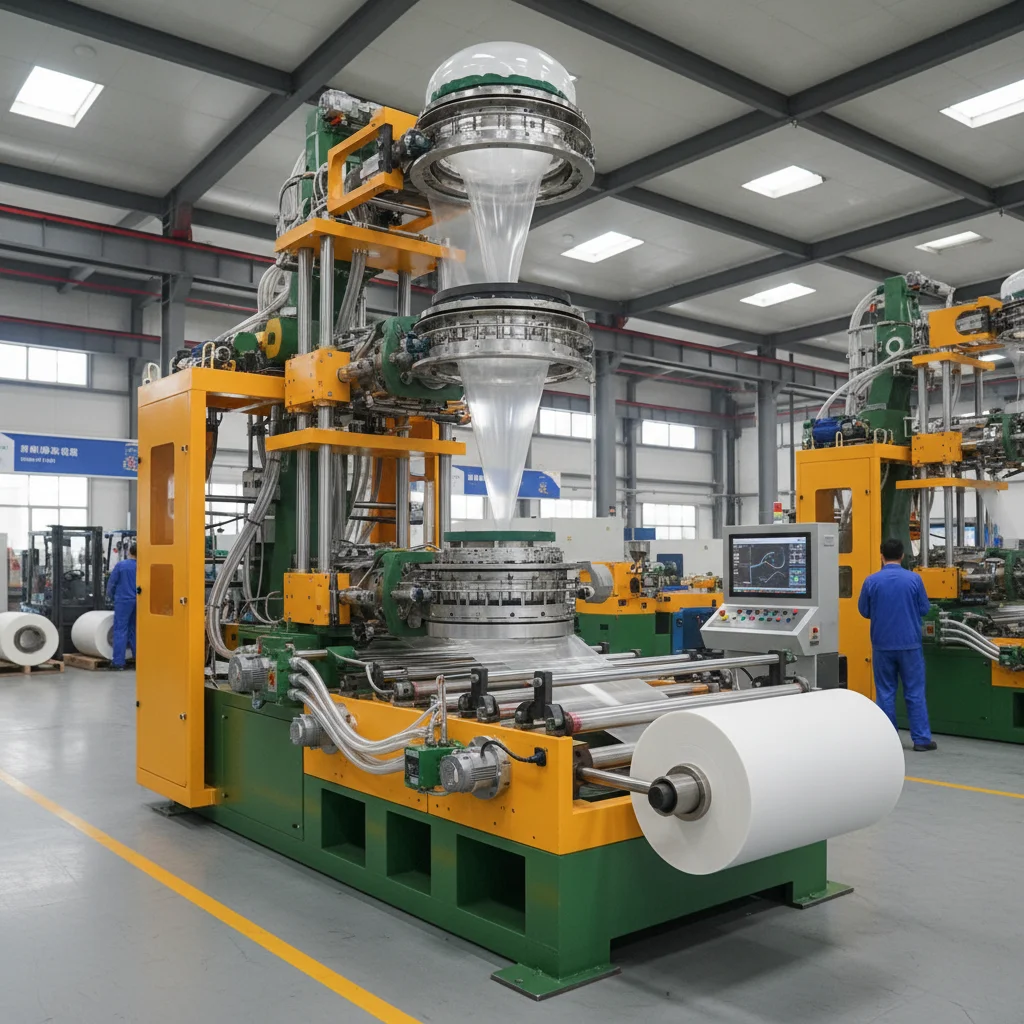
At its simplest, a blown machine is an industrial system that extrudes molten polymer through a circular die, which is then "blown" into a large bubble using compressed air. This unique process allows for the creation of a continuous tube of plastic film that can be collapsed and wound into rolls, providing an exceptional strength-to-weight ratio compared to cast films.
This technology is inextricably linked to modern humanitarian and industrial needs. For instance, the production of sterile medical packaging and agricultural mulch films relies entirely on the precision of the blown process to ensure zero contamination and consistent thickness across thousands of meters of material.
The versatility of the blown machine allows it to handle a wide array of materials, from Low-Density Polyethylene (LDPE) to complex multi-layer co-extrusions. By adjusting the blow-up ratio and the frost line height, operators can fine-tune the optical clarity and tensile strength of the film to suit specific commercial requirements.
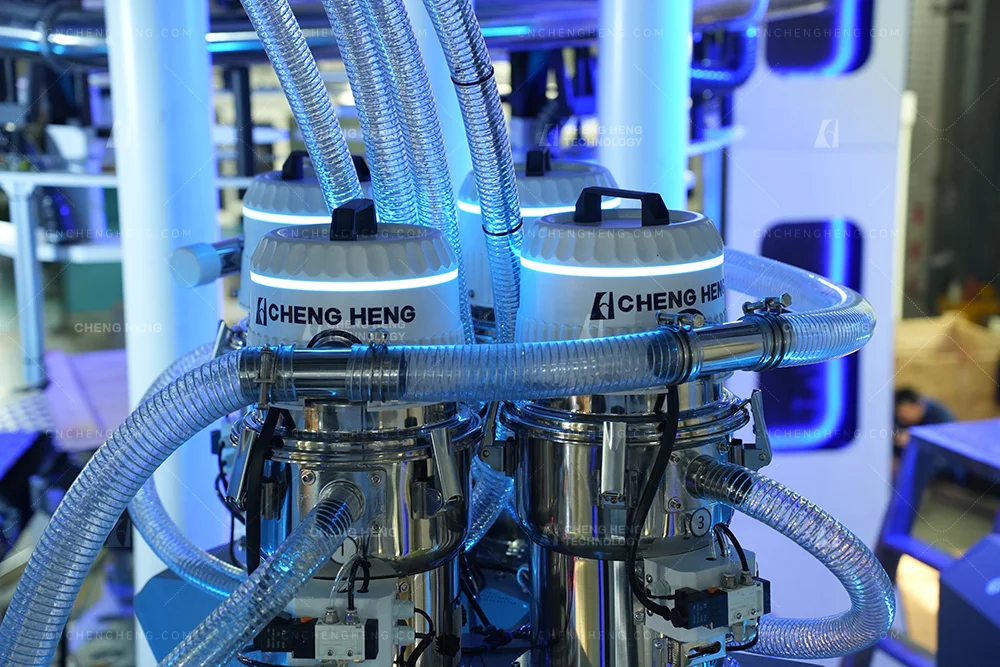
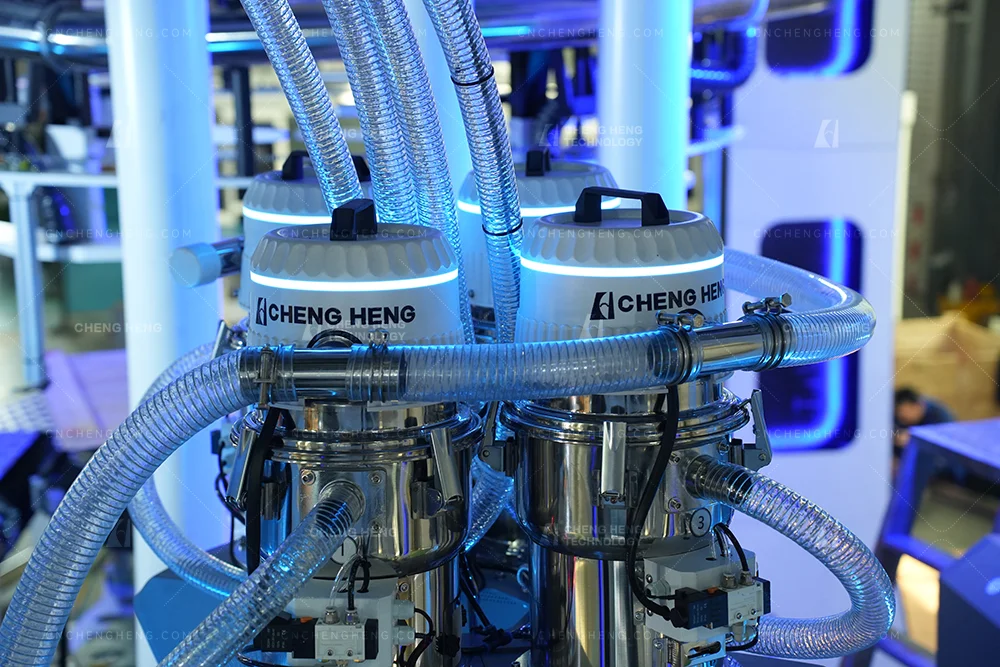
The efficiency of a blown machine is determined by the synergy between its primary components. The extruder serves as the heart, melting raw pellets into a homogeneous fluid, while the die head determines the initial geometry. For a Multi Layer Blown Film Extrusion Machine, the precision of the feedblock is paramount to ensure that different polymer layers blend seamlessly without turbulence.
Crucial to the stability of the process is the air ring and the cooling system. A blown machine must manage the cooling rate with extreme precision; if the bubble cools too quickly or unevenly, the film will suffer from "gauge variation," leading to weak points that cause packaging failure during transit.
Finally, the take-up unit and winder ensure that the film is stored without tension-induced deformation. Modern blown machine setups now integrate automatic bubble control systems (ABC) that use sensors to adjust the air volume in real-time, maintaining a constant diameter regardless of external environmental fluctuations.
When evaluating a blown machine, industry experts look beyond simple output speed. The real value lies in the "material efficiency ratio"—the ability to produce the thinnest possible film that still meets the required puncture resistance and load-bearing capacity. This "down-gauging" capability is the primary driver of cost reduction in large-scale operations.
Furthermore, energy consumption per kilogram of processed resin is a critical KPI. High-efficiency blown machine models utilize inverter-driven motors and optimized heating zones to minimize electricity waste, which is particularly vital in regions with high industrial power costs.
The application of a blown machine spans nearly every industrial sector. In the food and beverage industry, Three Layer ABC Blown Film Machines are used to create "sandwich" structures where the inner layer provides food-contact safety, the middle layer provides an oxygen barrier, and the outer layer allows for high-quality printing.
Beyond commercial goods, these machines are vital in remote industrial zones and post-disaster relief operations. For example, the rapid production of heavy-duty polyethylene sheeting via a blown machine provides immediate waterproof shelter and containment solutions in emergency housing projects across Southeast Asia and Africa.
Investing in a high-tier blown machine offers more than just immediate output; it provides long-term reliability and risk mitigation. By reducing the frequency of downtime and minimizing "scrap" material, manufacturers can realize a full return on investment (ROI) much faster than those using entry-level equipment.
From a social and environmental angle, the move toward "Circular Economy" principles is driving a shift in how blown machine technology is utilized. The ability to process high percentages of Post-Consumer Recycled (PCR) resins without compromising the film's tensile strength is now a primary value proposition for forward-thinking brands.
Ultimately, the trust between a manufacturer and its end-customer is built on consistency. A stable blown machine ensures that every roll of film has the same thickness, transparency, and strength, eliminating the risk of product recalls and enhancing the overall brand reputation for quality.
The future of the blown machine lies in the intersection of digitalization and material science. We are seeing the rise of "Smart Extrusion," where AI-driven sensors predict bubble instability before it happens, adjusting the air ring pressure in milliseconds to prevent waste.
Moreover, the integration of biodegradable and compostable polymers (such as PLA and PBAT) is requiring new screw designs within the blown machine to handle different melting points and shear sensitivities. This transition is essential for compliance with upcoming EU and North American plastics regulations.
Automation is also extending to the downstream process. Future blown machine lines will likely feature fully autonomous winding and quality inspection systems, using high-speed cameras to detect microscopic defects in the film in real-time.
| Machine Type | Layer Complexity | Barrier Performance | Typical Application |
|---|---|---|---|
| Single Layer Line | Low (1 Layer) | Basic | Trash bags, basic liners |
| Double Layer Machine | Medium (2 Layers) | Moderate | Shopping bags, wrap film |
| Three Layer ABC | High (3 Layers) | Superior | Food packaging, high-barrier |
| Multi Layer Custom | Extreme (5+ Layers) | Specialized | Industrial chemical liners |
| Eco-Hybrid Line | Variable | Balanced | Biodegradable packaging |
| High-Speed Line | Medium | Standard | Mass-market commodity film |
A single layer blown machine uses one extruder to create a basic film, ideal for simple applications like trash bags. A multi-layer machine uses multiple extruders to combine different resins into one film. This allows the manufacturer to "engineer" the film—for example, using one layer for strength, one for moisture barrier, and one for a sealant, resulting in a much higher-performance product.
The most effective way to reduce waste is by investing in a blown machine equipped with an automatic bubble control (ABC) system. This technology prevents diameter fluctuations that cause "off-spec" film. Additionally, optimizing the screw design and using high-quality resins can reduce the amount of startup scrap produced during material changes.
Yes, but with modifications. Biodegradable materials like PLA have different melting points and shear sensitivities than traditional PE. To run these on a blown machine, you may need a specialized screw and barrel design to prevent material degradation and ensure a consistent melt flow throughout the extrusion process.
The choice depends on your end-product requirements. If you only need a basic balance of strength and clarity, a double layer blown machine is cost-effective. However, if you are producing food packaging that requires a high gas barrier to extend shelf life, the Three Layer ABC machine is necessary to incorporate specialized barrier resins in the middle layer.
Regular calibration of the heating zones and inspection of the die head for carbon buildup are critical. In a blown machine, any imperfection in the die can lead to thickness variations. Additionally, maintaining the air ring's cleanliness ensures uniform cooling, which is essential for bubble stability and final film quality.
It can, provided the machine has an efficient filtration and degassing system. Recycled resins often contain impurities that can cause "gels" or pinholes in the film. A high-end blown machine with an advanced screen changer can filter these impurities, allowing you to use a higher percentage of recycled content while maintaining professional standards.
In summary, the blown machine remains the most versatile and efficient tool for creating high-quality flexible packaging. From the fundamental mechanics of bubble extrusion to the complex synergies of multi-layer co-extrusion, the ability to precisely control material properties allows manufacturers to meet the diverse needs of global industries—balancing strength, clarity, and barrier performance.
Looking ahead, the industry will be defined by the successful integration of AI automation and sustainable polymer science. For businesses seeking to lead the market, investing in an adaptable and energy-efficient blown machine is not just an operational upgrade, but a commitment to long-term sustainability and quality excellence. Visit our website for more professional solutions: www.cnchsj.com